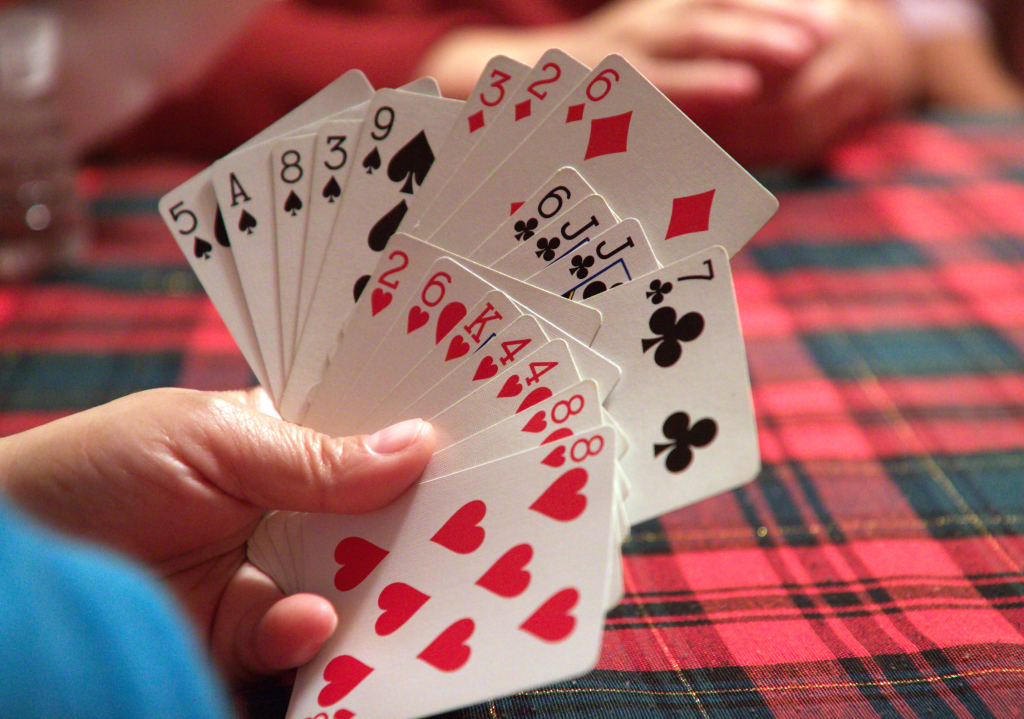
The history of card games is a fascinating journey through different periods and bila2cuci regions of the world, and understanding their evolution gives us insight into how they shaped social dynamics, culture, and entertainment. In this article, we will take a deep dive into the history of card games and trace their origins and growth over time.
- Early Beginnings: The Origins of Playing Cards
The exact origins of playing cards are difficult to pinpoint, but most historians agree that they originated in China around the 9th century AD. Playing cards were initially created as a form of entertainment and were likely derived from earlier games involving dice or dominoes.
Chinese Roots: The earliest known references to card games can be found in 9th-century Chinese literature. The first card deck was made from paper and featured intricate designs. The Chinese also developed the earliest versions of cards with suits, much like modern playing cards.
Spread to the West: By the 14th century, playing cards had made their way to Europe through the Silk Road, a trade route that connected the East and West. Italian, Spanish, and French traders are believed to have brought playing cards to Europe. They quickly gained popularity among the aristocracy.
- The Rise of Card Games in Europe
In Europe, card games became a favorite pastime for the elite and were soon adopted by the general public. During the 15th century, playing cards were produced more widely, and different regions developed their own unique designs.
The Creation of the Four Suits: In the 15th century, the familiar structure of the modern deck began to take shape. The four suits—hearts, diamonds, clubs, and spades—were introduced, likely originating in France. The designs on the cards were often based on different social classes: the suits represented cups (clergy), swords (nobility), coins (merchants), and clubs (peasants).
The Development of Card Games: As cards became more common, people began to create various games with them. Some popular games in Europe during this time included Tarot (which was both a game and a form of divination), and games like Rummy and Whist, which became popular with the aristocracy.
- Card Games in the 18th and 19th Centuries
By the 18th and 19th centuries, playing cards had become a staple in European and American homes, and a wide range of card games emerged. This period also marked the beginning of commercial card production.
Mass Production of Cards: With the Industrial Revolution, printing technology improved, allowing for the mass production of cards. This made playing cards more affordable and accessible to the general public. Card manufacturers like the United States Playing Card Company were founded during this time and are still in business today.
Card Games Go Global: As European countries expanded their empires, card games spread to other parts of the world. In India, for example, the British introduced card games like Bridge, which would later become immensely popular globally.
- The Emergence of Modern Card Games
The 20th century saw the rise of competitive card games and the standardization of rules across different regions. Card games like Poker and Bridge gained a global following, with formal tournaments becoming popular.
Poker’s Rise to Fame: Poker, which had its roots in European games like Poque and Brag, became a major card game in the United States during the 19th century. By the 20th century, it evolved into the game we know today. In the 1970s, the World Series of Poker (WSOP) was founded, marking the beginning of global poker tournaments.
Bridge Becomes a Global Game: In the early 20th century, Bridge emerged as one of the most prominent card games, especially after it was introduced in North America. The game quickly became a favorite of both casual players and serious competitors, leading to the formation of international Bridge organizations and tournaments.
- Digital Revolution: The Rise of Online Card Games
The late 20th and early 21st centuries brought a significant shift in the way card games were played. With the advent of the internet, card games began to transition to online platforms, allowing players from around the world to compete against each other in real time.
Online Poker: Online Poker took the world by storm in the late 1990s and early 2000s, with platforms like PokerStars and Full Tilt Poker offering online games and tournaments. The rise of online poker led to massive international competitions, such as the online World Series of Poker.
Mobile and Social Card Games: With the popularity of smartphones, card games began appearing as apps, making them more accessible and portable than ever. Games like Hearthstone, Solitaire, and mobile versions of Poker attracted millions of players worldwide. Social card games on Facebook and other platforms also became a hit, encouraging people to play with friends and strangers alike.
- The Future of Card Games
As we look to the future, the world of card games continues to evolve. The integration of new technologies, including virtual reality (VR) and augmented reality (AR), will likely change the way card games are experienced.
VR and AR Card Games: Virtual reality has the potential to revolutionize card games, allowing players to immerse themselves in fully interactive environments where they can play cards in a 3D space. AR, on the other hand, can overlay digital elements onto physical playing cards, creating a hybrid experience.
The Evolution of Competitive Card Games: As competitive card games continue to grow in popularity, both physical and digital tournaments will likely become more mainstream. Games like Magic: The Gathering and Hearthstone have already established major competitive scenes, and it’s possible that new games will continue to rise in prominence.
Conclusion
The evolution of card games is a testament to their enduring appeal. From ancient Chinese origins to the digital revolution of today, card games have continually adapted to the changing times. They’ve brought people together across cultures, generations, and social divides, and will undoubtedly continue to do so in the future. Whether you’re playing a traditional game of Bridge with friends or enjoying an online Poker tournament, card games have earned their place as one of the most beloved and timeless forms of entertainment.
 Site Title